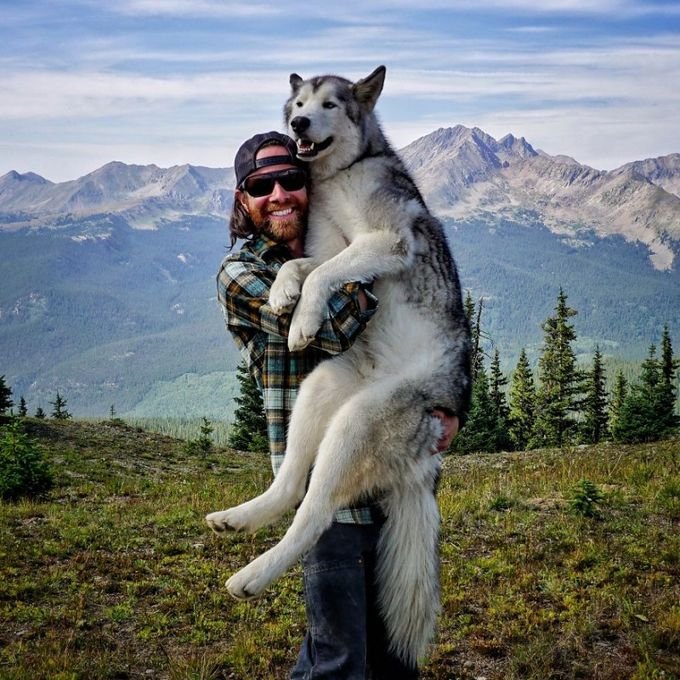
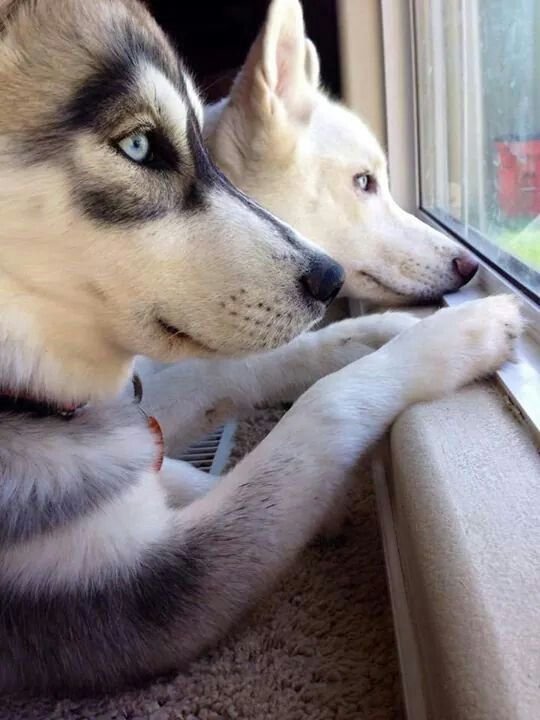
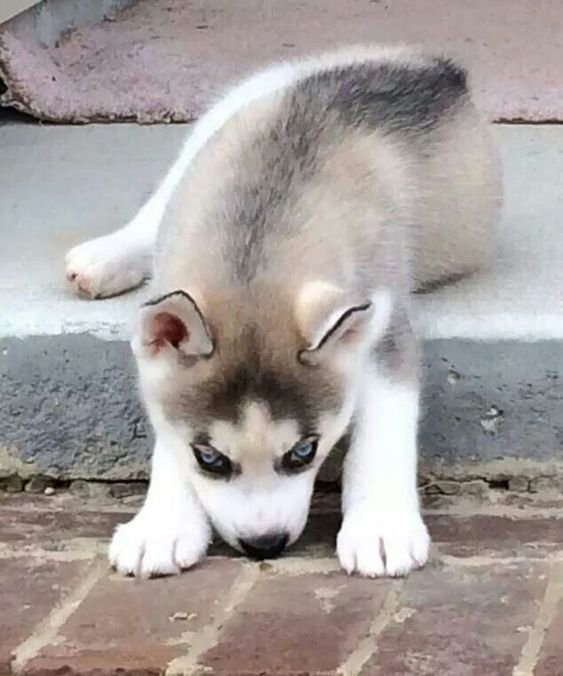
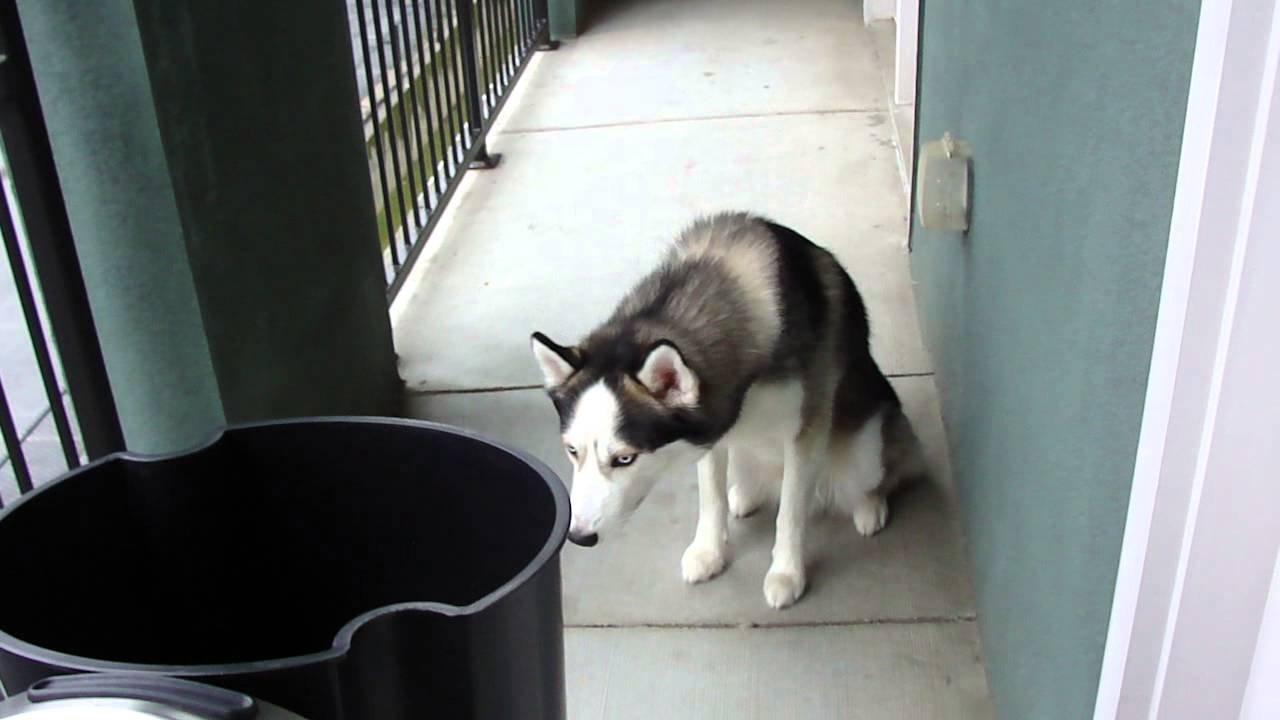
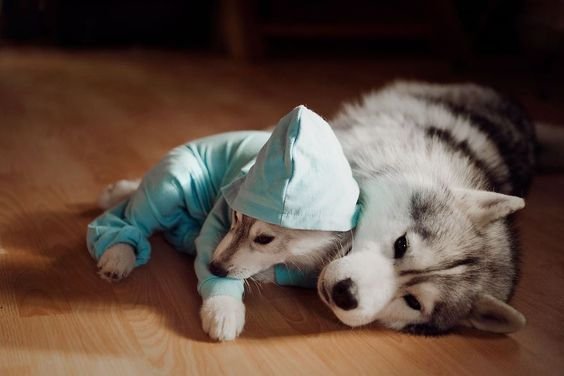
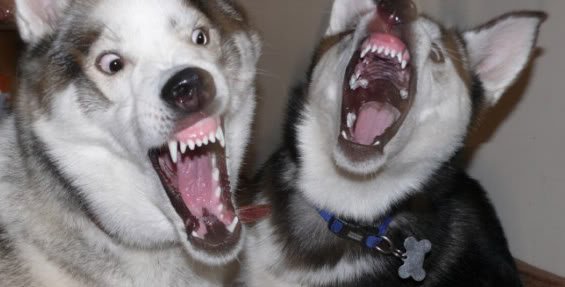
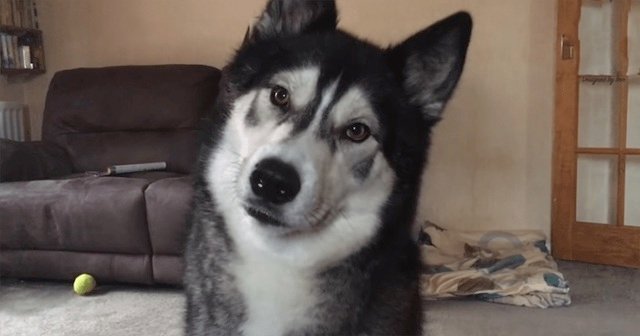
Kovu is definitely like most other Huskies — loving, sassy, and extremely vocal! His dad, Tate Hegstrom, is a healthcare worker and decided to play and sing a song to help cheer people up during this troubling time. Knowing how his dog likes to sing along on these performances, he figured it’d be the perfect opportunity.
Tate grabbed the guitar and started singing his rendition of “Lean On Me,” and as expected, it wasn’t long before Kovu joined in. The dog always does his best to chime in with some harmony!
“During a time when being physically together as a community is difficult, people resort to finding community online,” Tate told The Dodo. “I think during this time, a video with a cute puppy who can sing a song with an uplifting message is something people needed, and it’s given people a smile.”
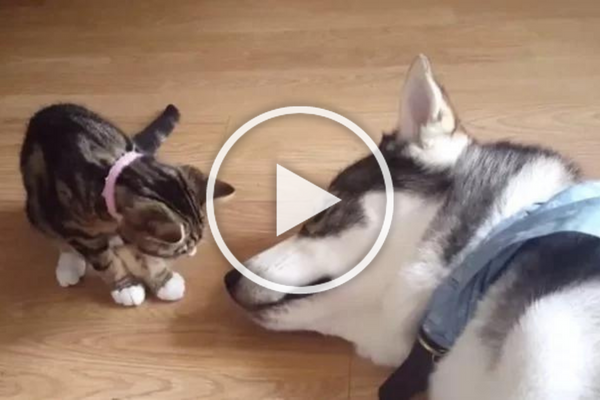
Kuma the Alaskan Husky was an only pet living with his mom, Sara. And Mom always felt bad when she had to go and leave the dog behind all alone at home. So she set out searching for a companion for him. And she came across a kitten who’d been around dogs before, so she adopted little Tora!
But Mom still couldn’t help but wonder just how it’d go with the two meeting for the first time, so she took precautions and acted very carefully. And all of her worries were put to rest when the tiny kitten went in for a kiss. In what would be a very defining moment, Kuma responded by kissing Tora back! How adorable. The loving Husky reassured Mom with this loving act! 🙂
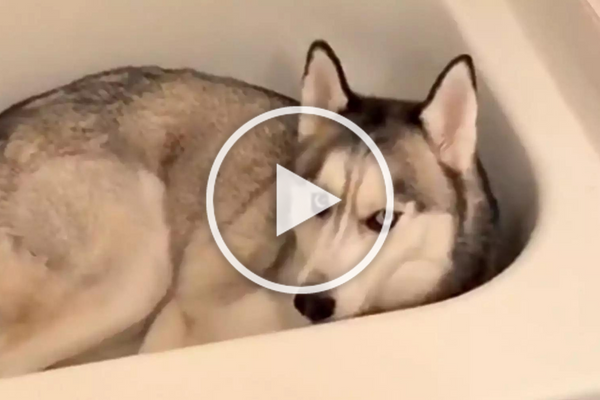
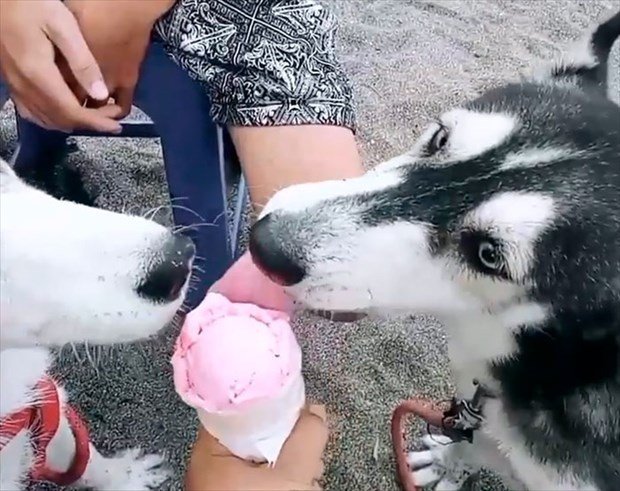
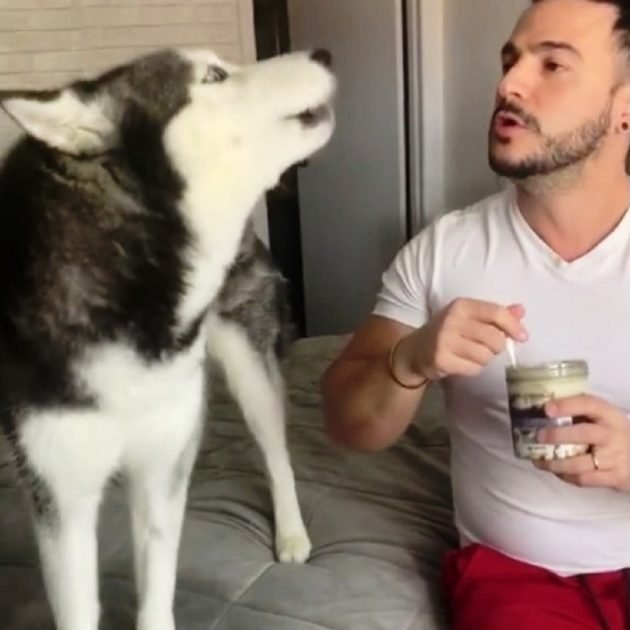
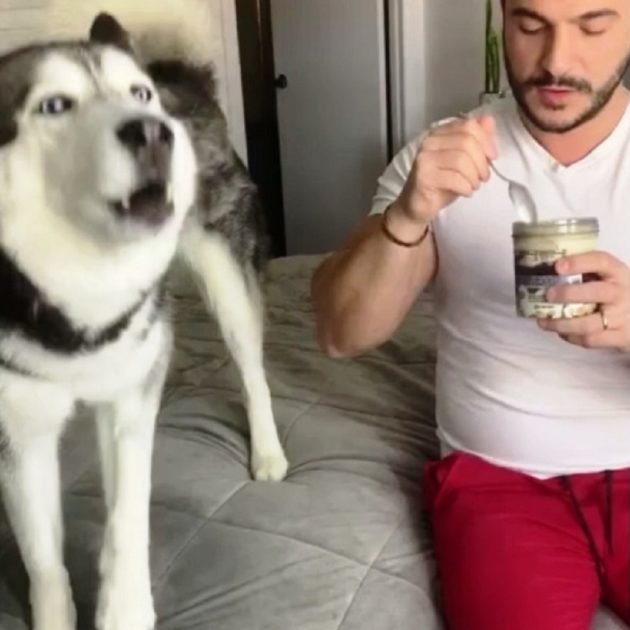
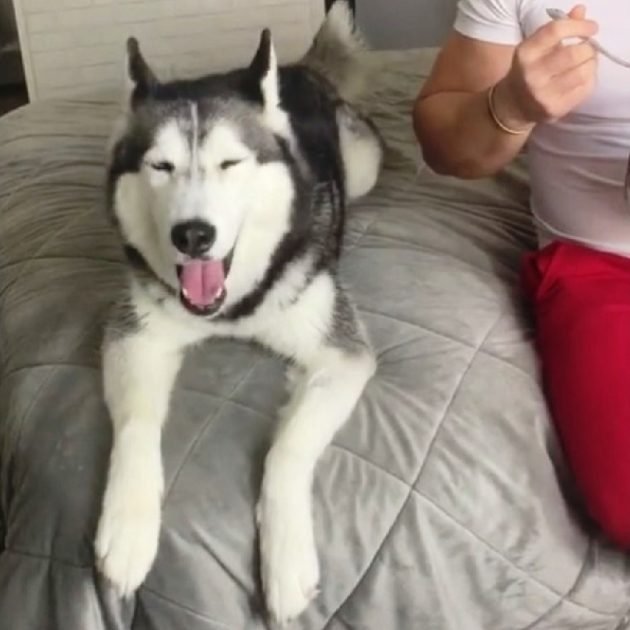
Like most Huskies, Meeka the Husky has a very stubborn streak when things don’t go her way. In this story, Meeka gets very offended when she sees her dad having an ice-cream without her. She demands Dad to share his ice-cream with her, but Dad straight up refuses to let her have a taste. What follows is Meeka’s adorably dramatic temper tantrum!
When Dad realizes that Meeka is upset, he tries to reason with her. He says that human ice-cream is unhealthy for her, and also promises to buy her a “doggie ice cream” later. But the furious dog thinks they are just excuses! She doesn’t understand why Dad would “shamelessly” have an ice cream in front of her when he doesn’t intend to share!
Later, Mom jumps in to diffuse the tension between Dad and Meeka, but it hardly makes any difference. After her arguing fails, the defeated dog resorts to whining and sulking on the bed to express her disappointment! Poor girl!
Mom and Dad say Meeka used to be very docile and submissive as a puppy. But by the time she turned 3, they noticed a 180 degrees change in her personality! Meeka was suddenly very aware of her surroundings, and she developed into a headstrong and opinionated girl! As for her parents, they love Meeka more than ever!
Click the video below to watch Meeka’s hissy fit when she sees Dad devouring the ice-cream all by himself!
Please ‘SHARE’ to pass on this story to a friend or family member!
You may know dogs and people whose personalities are mirror images of each other: a low-key pet parent with an equally mellow pup or an outgoing pet parent with a dog who greets everyone with wet kisses. This might not actually be just a coincidence, as scientists say that dog personality is strongly linked to human personality.
In a study published in Applied Animal Behavior Science, researchers asked pet parents to rate themselves on five major personality dimensions (as well as on corresponding personality traits of dogs). “The Big Five,” as they’re referred to in the psychology community, are: Neuroticism (a tendency towards feelings like anxiety and fear) Extraversion Conscientiousness Agreeableness Openness (level of creativity, curiosity and being open to new ideas)
When dog-parents spend extra time scratching their dogs’ bellies, take their dogs out for long walks and games of fetch, or even when they feel constant frustration over their dogs’ naughty chewing habits, they are gradually shaping their pets’ personalities. Dogs, like people, have moods and personality traits that shape how they react in certain situations. New findings from Michigan State University went where few researchers have gone before to reveal that, also like humans, dogs’ personalities likely change over time.
“When humans go through big changes in life, their personality traits can change. We found that this also happens with dogs – and to a surprisingly large degree,” said William Chopik, professor of psychology and lead author. “We expected the dogs’ personalities to be fairly stable because they don’t have wild lifestyle changes humans do, but they actually change a lot. We uncovered similarities to their owners, the optimal time for training and even a time in their lives that they can get more aggressive toward other animals.”
The research, published in Journal of Research in Personality, is one of the first – and is the largest – studies of its kind to examine changes in dogs’ personalities. Chopik surveyed owners of more than 1,600 dogs, including 50 different breeds. Dogs ranged from just a few weeks old to 15 years, and were split closely between male and female. The extensive survey had owners evaluate their dog’s personalities and answered questions about the dog’s behavioral history. The owners also answered a survey about their own personalities.
“We found correlations in three main areas: age and personality, in human-to-dog personality similarities and in the influence a dog’s personality has on the quality of its relationship with its owner,” Chopik said. “Older dogs are much harder to train; we found that the ‘sweet spot’ for teaching a dog obedience is around the age of six, when it outgrows its excitable puppy stage but before its too set in its ways.”
One trait that rarely changes in age with dogs, Chopik said, was fear and anxiety.
Honing in on the saying, “dogs resemble their owners,” Chopik’s research showed dogs and owners share specific personality traits. Extroverted humans rated their dogs as more excitable and active, while owners high in negative emotions rated their dogs as more fearful, active and less responsive to training. Owners who rated themselves as agreeable rated their dogs as less fearful and less aggressive to people and animals.
The owners who felt happiest about their relationships with their dogs reported active and excitable dogs, as well as dogs who were most responsive to training. Aggression and anxiety didn’t matter as much in having a happy relationship, Chopik said.
“There are a lot of things we can do with dogs – like obedience classes and training – that we can’t do with people,” he said. “Exposure to obedience classes was associated with more positive personality traits across the dog’s lifespan. This gives us exciting opportunities to examine why personality changes in all sorts of animals.”
Chopik’s findings prove how much power humans have over influencing a dog’s personality. He explained that many of the reasons a dog’s personality changes are a result of the “nature versus nurture” theory associated with humans’ personalities.
Next, Chopik’s will research will examine how the environment owners provide their dogs might change the dogs’ behavior.
“Say you adopt a dog from a shelter. Some traits are likely tied to biology and resistant to change, but you then put it in a new environment where it’s loved, walked and entertained often. The dog then might become a little more relaxed and sociable,” Chopik said. “Now that we know dogs’ personalities can change, next we want to make strong connection to understand why dogs act – and change – the way they do.”
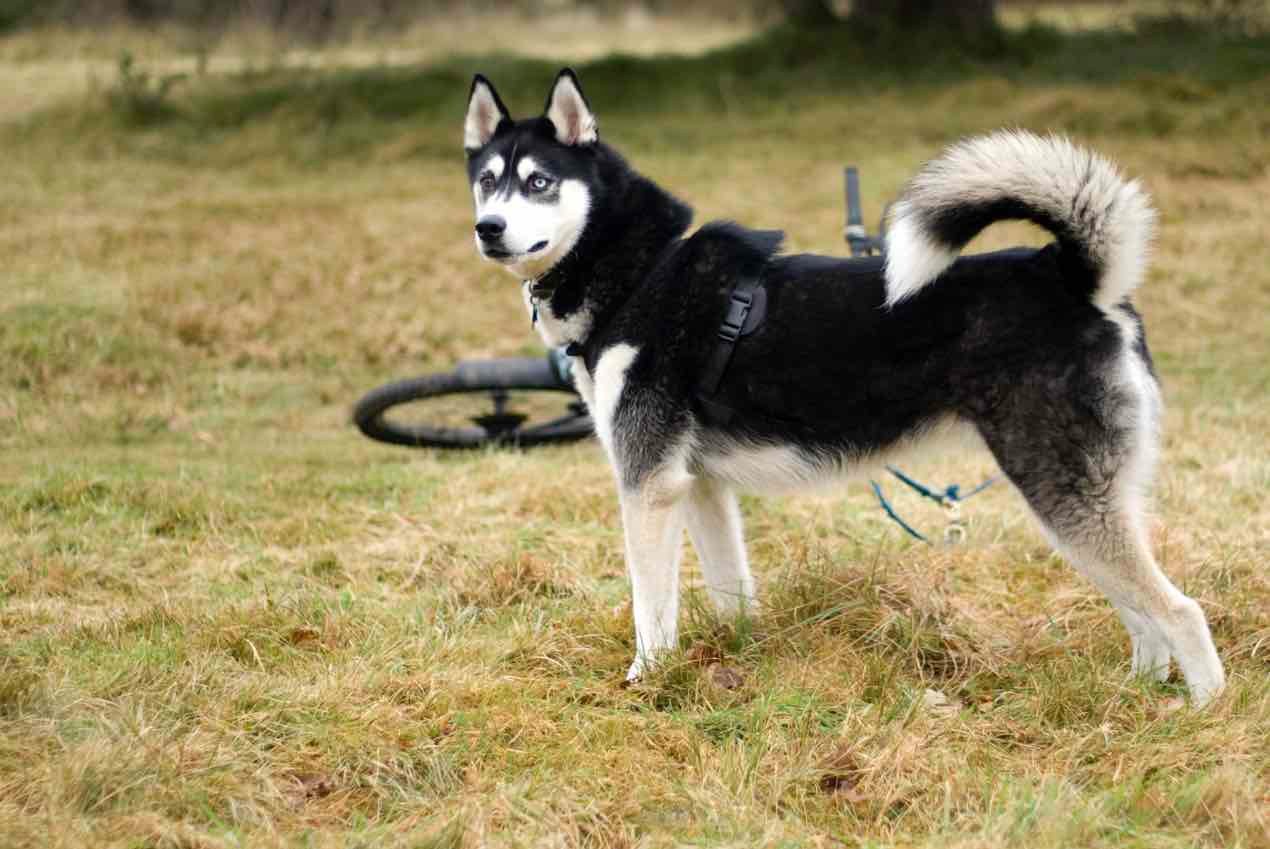
Golden Rules For Life! The free-spirited Siberian Husky is a super-charismatic dog breed. They’re usually very playful, athletic, agile, and good-natured towards everyone. Those who own this lovely dog will assure you that a husky is definitely the right choice for you — if you’ve always wanted to have a dog that regularly escapes from your yard in search of adventure, bounces and jumps, romps and plays all day long.
But above all else, huskies are hands-down the most loyal and smart dogs you’ll ever encounter. They see pulling sleds — and thus serving people — as their life’s purpose. Read on to learn some unique pearls of wisdom from these truly adorable creatures.
15 golden rules for life as told by husky dogs
1. Be spontaneous and always play hard to get
2. If you want to get a yummy treat, go with the Batman eye contact
3. Never hide your real emotions
Golden Rules For Life As Told by Husky Dogs
4. Stay focused and alert
5. Remember: charisma is your second name
6. Huskies never panic. There’s always a way out
7. Your gorgeous nose is the first thing your owner should see in the morning
8. Never ditch a friend who needs you after a long run
As a furry pup lover, there is no doubt in my mind that having a dog brings many upsides to my life. I mean, how can I NOT live happily waking up to a smiley face and wagging tail? For those of you who do not yet have a furry friend, or who are planning on adding one to your family, you’ll be glad to hear that there are scientifically proven benefits that dogs bring to each of our lives!
Dogs increase your mood dramatically!
Spending just 15-30 minutes with your dog can help you feel more calm and relaxed, reducing stress and increasing happiness. Playing with your pup increases your brain’s levels of dopamine and serotonin, both of which are neurotransmitters associated with pleasure and tranquility. So the next time you’re feeling down, grab the newest toy from your BarkBox and spend some time with your pup! That wagging tail will be sure to put a smile on your face.
Having a dog may help reduce the risk of cardiovascular disease.
Studies show that talking to and petting your pooches are often accompanied by lower blood pressure, and that means a lowered risk for a myriad of different illnesses.
Dogs protect children from skin conditions and allergies.
Children who grow up with dogs have a lower risk of developing eczema than those who have cats or no dogs at all. Yes, it’s true! In addition, children also develop fewer pet allergies if they grow up with a dog.
Having a dog improves your physical wellbeing and encourages a healthy fitness routine.
Of course! Your dog requires daily exercise, and so do you! Dog owners carry the responsibility of playing with and working their dogs, so it only makes sense that dog people tend to be more active.
Humans with dogs recover more quickly from illnesses.
Dog owners have a much higher rate of recovery from being sick than non-dog owners. In fact, humans with pooches who suffered from heart attacks were twice as likely to fully recover than those without!
Children with dogs in their household miss less school.
Yes, it’s true. We all know that children absolutely adore pups, but research has shown that children from dog-owning families have better school attendance due to better overall health and less sickness from having a pup at home.
But wait, there’s more (for your kids)!
Having dogs has actually been shown to improve a child’s self-esteem, and makes issues that cause stress easier to handle.
Simply put, they are a human’s best friend.
Because of their heightened sense of smell, sight, and hearing, dogs are extremely intelligent creatures with a loyalty to their humans that is unexpectedly strong. Those with dogs will know–your pups can sense human body language, emotions, and feelings, and this paves the way for an unbreakable bond.
They make excellent watchdogs.
From puppyhood, dogs innately learn to watch and be aware of anything rotten coming your way. Potential burglars are put off by a barking or watching dog in the window. Rottweilers, German Shepherds, and Scottish Terriers are among the top watchdog breeds, but even my fluffy American Eskimo dog is known to be great at alerting families of anything odd or suspicious!
Having a husky makes YOU more awesome!
The dog-human relationship is a two-way street. We’ve heard the phrase, “Who rescued who?” and it’s certainly something to consider. Dogs have proven that they improve our physical and mental health, as well as the health of those around us.
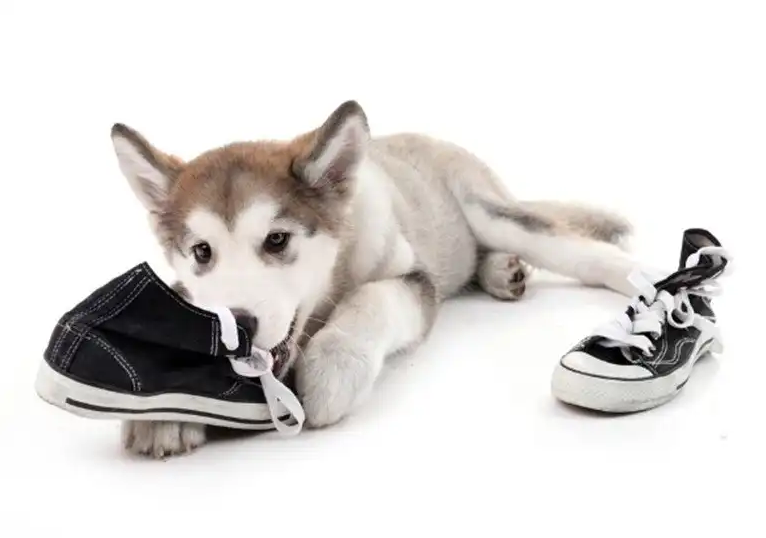
Dogs love taking personal items that are not theirs, especially if they are on your property. For them they are trophies because they are part of you (their favorite person) and carry your scent. As well as collecting them, they will often take them to other rooms and hide them in places like under cushions or in the laundry. They also have this tendency because they will do anything to get your attention, even if it means behaving «badly». They hide your stuff because they like interacting with you. It also stops them from getting bored, because it gives them something to do, as if they were on a mission.
2- Eating alone
Many human companions of dogs think their pet loves to eat while they are watched or they see food as a social event. Although some dogs like to eat when their owners eat, for the dog the act of eating is a personal moment. For a domesticated dog, you are the leader of the pack, so your dog will feel more comfortable eating in a private space where they can be sure that the alpha male won’t steal their food- this applies to any food or treat. Don’t be surprised if your dog takes what you give it into another room. You will see that it is its canine nature.
3- Always being by your side
Your dog is part of you in the same way that you are part of them.Being close to your side is one of the most common behaviors and is therefore another thing dogs love doing. These dogs are saying to all who approach «move, this human is mine!» They do this to minimize as much distance as they can between you, and to transfer odors.
This is a social-emotional-biological habit. Some experts suggest that this behavior indicates protection on the part of your dog. They are working as a barrier to intruders while you provide a blanket of security, confidence and comfort to them.
Huskies Love
4- Watching TV
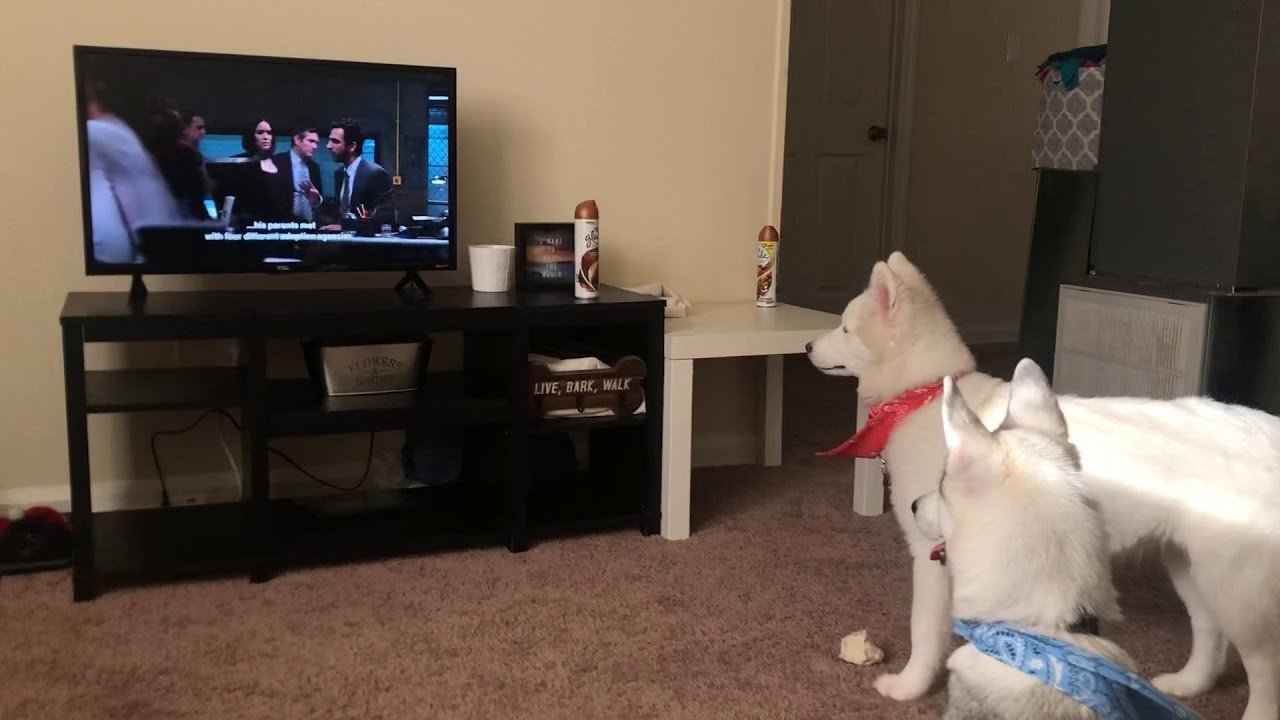
When they leave home, many people leave the television on to accompany the dog in their absence. Although dogs cannot see like humans, they appreciate the light, colors and sound a lot. For them it can be mental stimulation and therefore is one of the things dogs love. In fact, some experts claim that dogs really enjoy watching TV because it helps them relax and fight boredom. However, these same animal experts emphasize that television should not be a substitute for love, human attention and exercise. Don’t miss our article on what dog’s do when home alone.
Huskies Love Watching TV
5- Making the bed
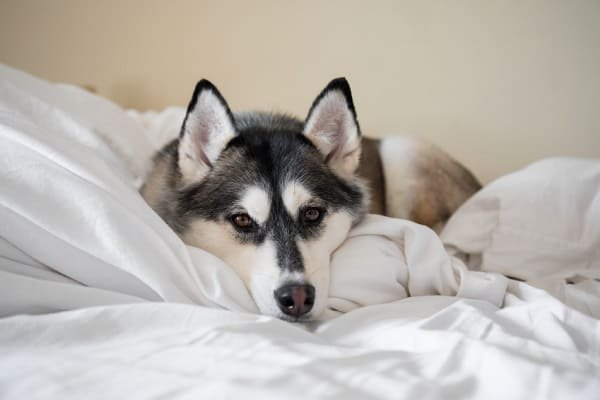
Dogs love comfort just like people, and will make their personal space as perfect and relaxing as possible. To achieve this, the simplest way is to walk in circles a few times, as if they were making their own nest. By doing this, dogs spread their scent in the area, and make it clear that this is their territory. They also prepare the ground and temperature of the space.
Huskies Love
6- Swimming
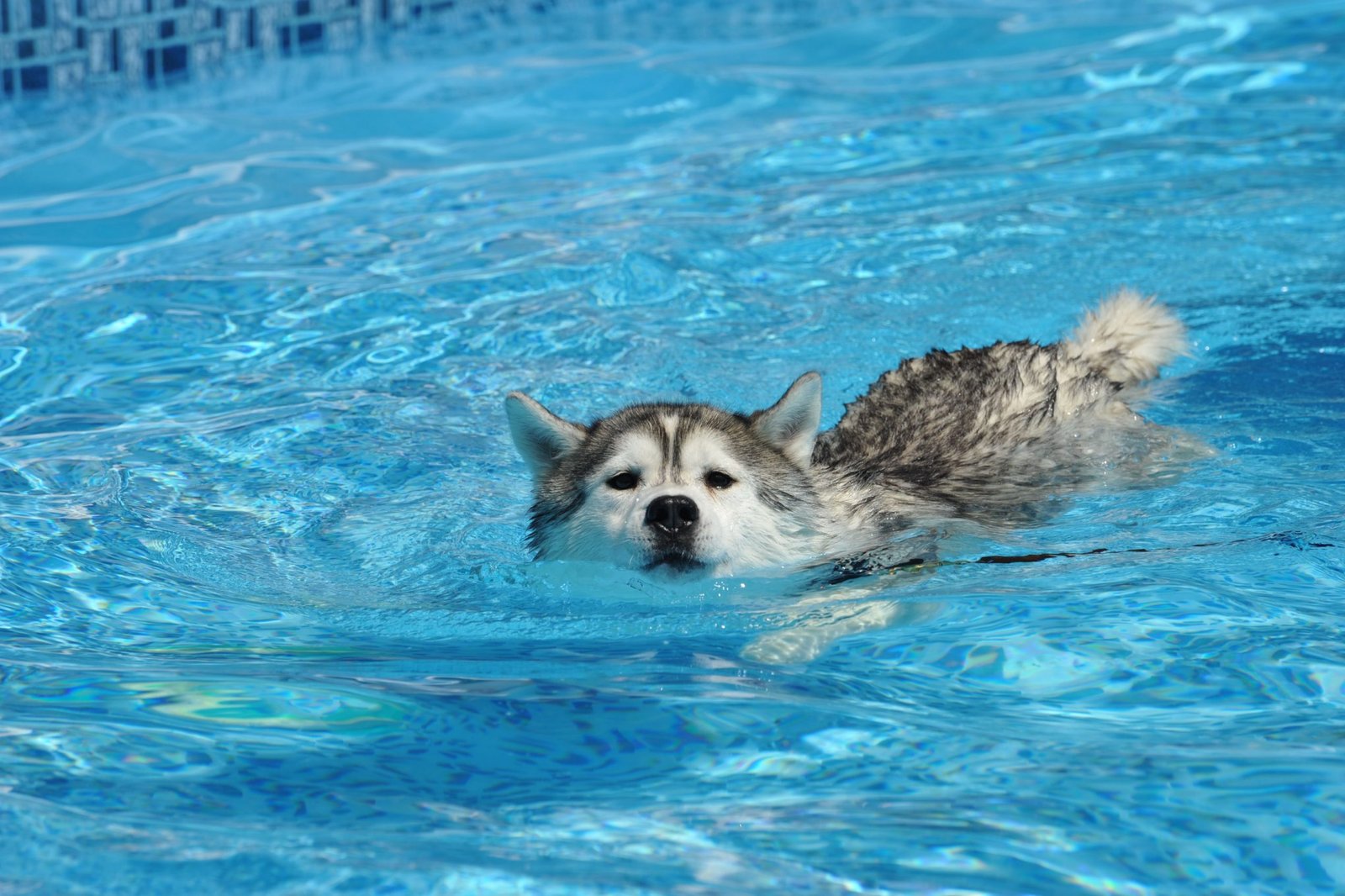
Have you ever seen a dog swim? It is a scene full of joy because they look like they are enjoying it immensely. Swimming is an activity that most dogs love like no other, and they also have an amazing ability to do it so much better than most people. For most dogs, swimming it is a great alternative fun exercise to a walk at any time of day.
Huskies Love
7- Being productive
Dogs have a sense of natural purpose. They love accomplishing tasks and feeling useful and, through this, valued. Our pets have a natural inclination to work, otherwise, they will feel bored and restless. Tasks include finding the newspaper, retrieving a ball, shepherding a flock of sheep. Literally anything that makes them recognized and rewarded. Having nothing to do can make your dog feel depressed and suppressed in their very nature.
8- Traveling
Dogs do not like to stay home, they like to feel included and taken everywhere, so traveling is one of the things dogs love. They will accompany you anywhere! Some dogs even get inside the suitcase of their human companions because they know that they are going to travel and want them to take them with them. Dogs are not aware that they are dogs, they feel they are part of the family, equal, just like any other human being… and they are right!
9- Sleeping with you
This is one of the things dogs love in the world. Sleeping with their human companion symbolizes not only the best time of the day, but of life. Letting your dog spend the night with you in your bed makes them feel privileged and part of your world because you are including them in your most personal space.
This does not mean that you let this become a habit or stop sleeping in your bed. However, do not isolate yourself from your dog, or close the door to your room every night while you leave them out. This will make them feel alone and neglected. A balanced solution is to, at least, let your dog be in the same room as you.
You may think your dog belongs to you, but you belong to your dog, as well. That means he is going to claim you and protect you. When he’s sitting on your foot, it’s an ownership thing. If his is on you, he’s marking your foot. It’s not just that he wants to be close to you, he’s saying, ‘This is mine; now it smells like me, don’t go near it. He does this for three main reasons: to feel secure about his place in your life, to warn other dogs that you are spoken for and because he wants to protect you. To ensure your protection, dogs will also bark at guests, growl at other dogs when outside and pull on the leash while out for a walk. There’s a line of thinking that the dog is your scout. He sees himself as a member of the pack, and he wants to make sure everything is cool before you get there.
2- I can sense when you’re in a bad mood.
Whether it was a stressful day at work or a fight with your significant other, your dog will pick up on how you feel—and feel it, too. It goes without saying, when you’re stressed, they’re more stressed; when you’re happier, they’re happy.
3- I need more exercise!
If she’s eliminating on the floor, chewing the furniture or running circles around the coffee table, your dog is probably trying to tell you she needs more activity in her life. That’s where we see a lot of behavioral issues with dogs in households. If your dog’s destroying stuff, he’s saying, I’m bored, you need to give me something to do. While exercise is important—dogs should receive 45 to 60 minutes of physical exercise and 15 minutes of behavioral training per day.
Things Your Husky Wants to Tell You
4- I’m scared you won’t come back.
While most dogs are going to bark for a few minutes when you leave the house—just to let you know you’re forgetting someone—some dogs have a much more serious reaction.
5- Pay attention when I’m not myself.
It’s important to pay attention to your pooch’s behavior because if something seems amiss, he’s probably not feeling well. You want to catch things in the earliest period to prevent unnecessary pain or worse.
6- I need a routine, but with a little variety.
They say that a dog’s mental capacity is that of a toddler; and just like a toddler, dogs thrive on routine. Knowing what to expect is really, really important, otherwise they don’t know how to react. A general routine is best, but that doesn’t mean you have to do everything at the same time each day. In fact, varying the time will actually help in the long run.
9 Things Your Husky Wants to Tell You
7- I’m not a human.
There’s no doubt your dog is part of the family—but that doesn’t mean she should be treated like a person. «Thinking your dog has the motivation of a person is the number one problem I see,» says Gina Spadafori, pet columnist and executive editor of the PetConnection.com. Whether your dog eliminates in the house or chews up the remote, the cause has nothing to do with revenge. «It’s not an emotional or rational response. It’s either a lack of training, illness or a stress reaction that can be triggered by a change in the house,» Spadafori says. So if your dog is acting out, start by trying to find the root cause. Is she sick, improperly trained or has there been a recent change in routine? Once you locate the cause, understanding and correcting her behavior will be much easier.
9 Things Your Husky Wants to Tell You
8- Be clear when I’m doing something wrong.
Correcting your dog is important—and how you do it is key. Avoid explaining your dog’s behavior to him, or using a calm voice. Take a firm (not mean) tone and be direct. Dogs respond to tone. If you say, ‘No!’ while a bad action is happening, you’re going to get a much better response than if you say it in a gentle voice or wait to say it afterwards.
9- I can tell when you’re not feeling well.
It’s a hard phenomenon to explain, but many dogs seem to be able to detect illness in their owners. They can smell the ketones on a diabetic’s breath when their sugar is low. For epileptics [about to have a seizure], they can alert their owner so they can get out of harm’s way
Some canines are even more naturally empathetic to humans. Often, these dogs become therapy dogs, providing affection to those in need, while also sensing—and being able to react to—health problems. Some people just need a dog to lay still with them; others need a reason to get out of the bed. It’s the weirdest thing how therapy dogs know when to [move] close or far away.
Every time that your dog barks, whines, growls, yelps, and makes other attempts to converse with you, don’t you feel like you are missing out on so much of dog-talk? Dogs make noises to express their emotions, and every pet owner wants to understand them. A study has even gone on to say that dogs bark only for us humans and not to communicate with other canines. Your husky secretly communicate with you not just with sounds, he tries to tell you many things through gestures and its body language too.
Thankfully, you are at the right place, and now you are about to learn how to interpret those signals your dog sends you. Brace yourself for a course in dog lingo which would bring you closer to your pet.
#1 The Wide-Eye Look
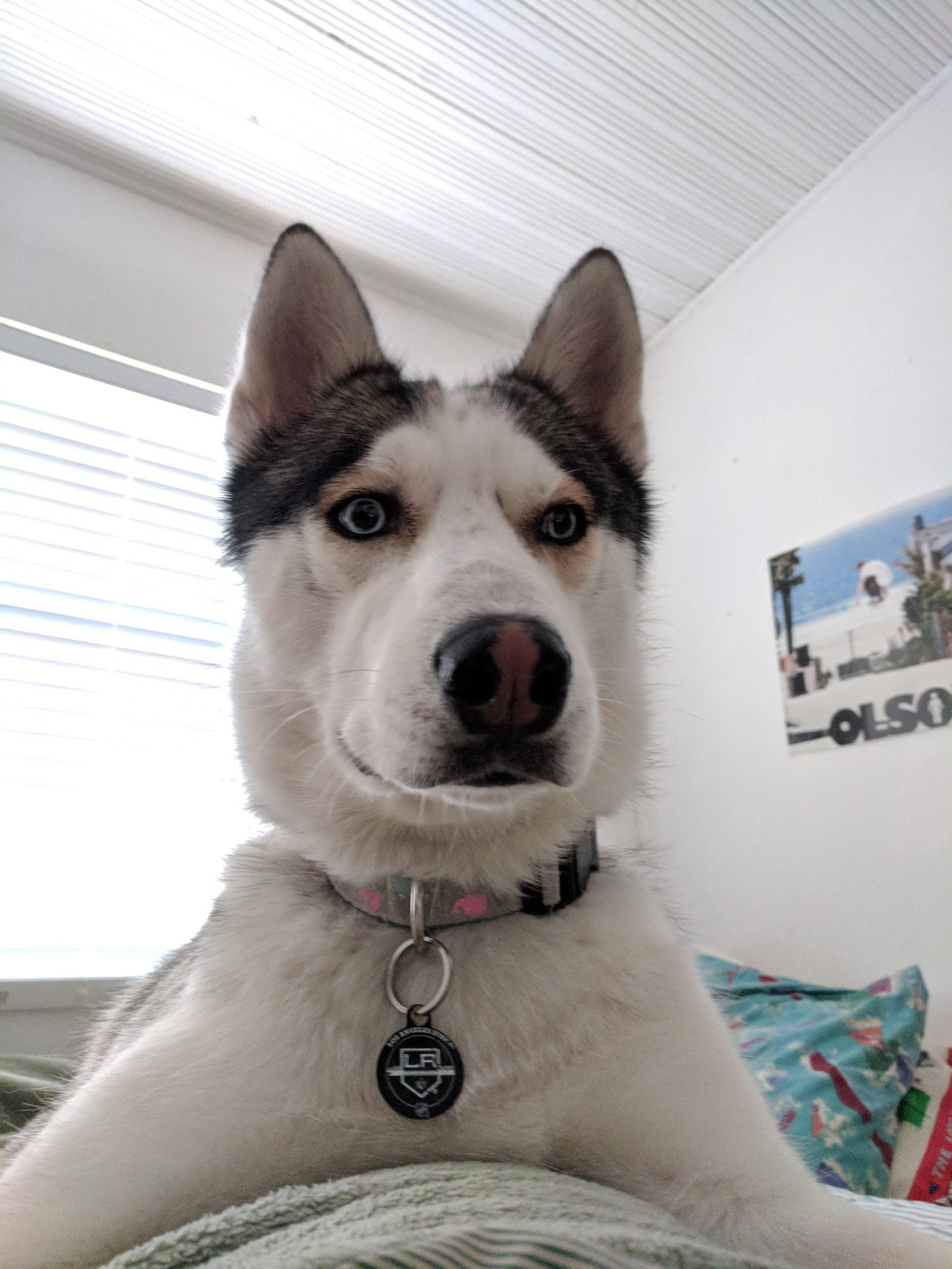
You cannot deny that this is when your dog looks the cutest. When they stare at you with their big eyes, and you stare back into theirs, you can surely feel a strong connection. Your dog wants your attention, and you must give it some. A treat or a loving scratch or both should do the trick for you.
Ways Your Husky Secretly Communicate With You
#2 Wagging The Tail While Its Lowered
This is a happy gesture too. When you are doing things with your dog, playing catch or simply talking, you will notice its tail is lowered, and it wags it slowly. Your dog is intently watching you for a sign to do something. It all comes down to what you want to do.
Ways Your Husky Secretly Communicate With You
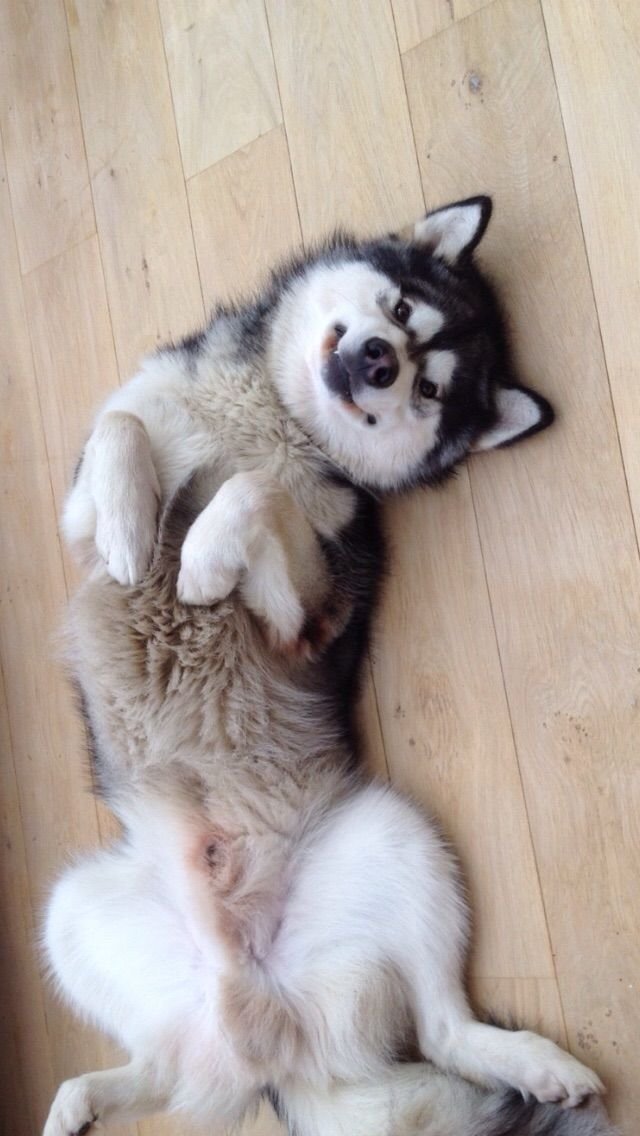
#3 Showing the Belly
A happy dog shows that it trusts you by lying on its back and showing you its belly. That is the cue for you that it wants to enjoy your cuddles and your love. Give it a good belly rub, and your dog would relax down there peacefully. Try thinking of yourself as a masseuse while you’re at it and have a great dog-parent bonding.
Ways Your Husky Secretly Communicate With You
#4 Squints and Blinks
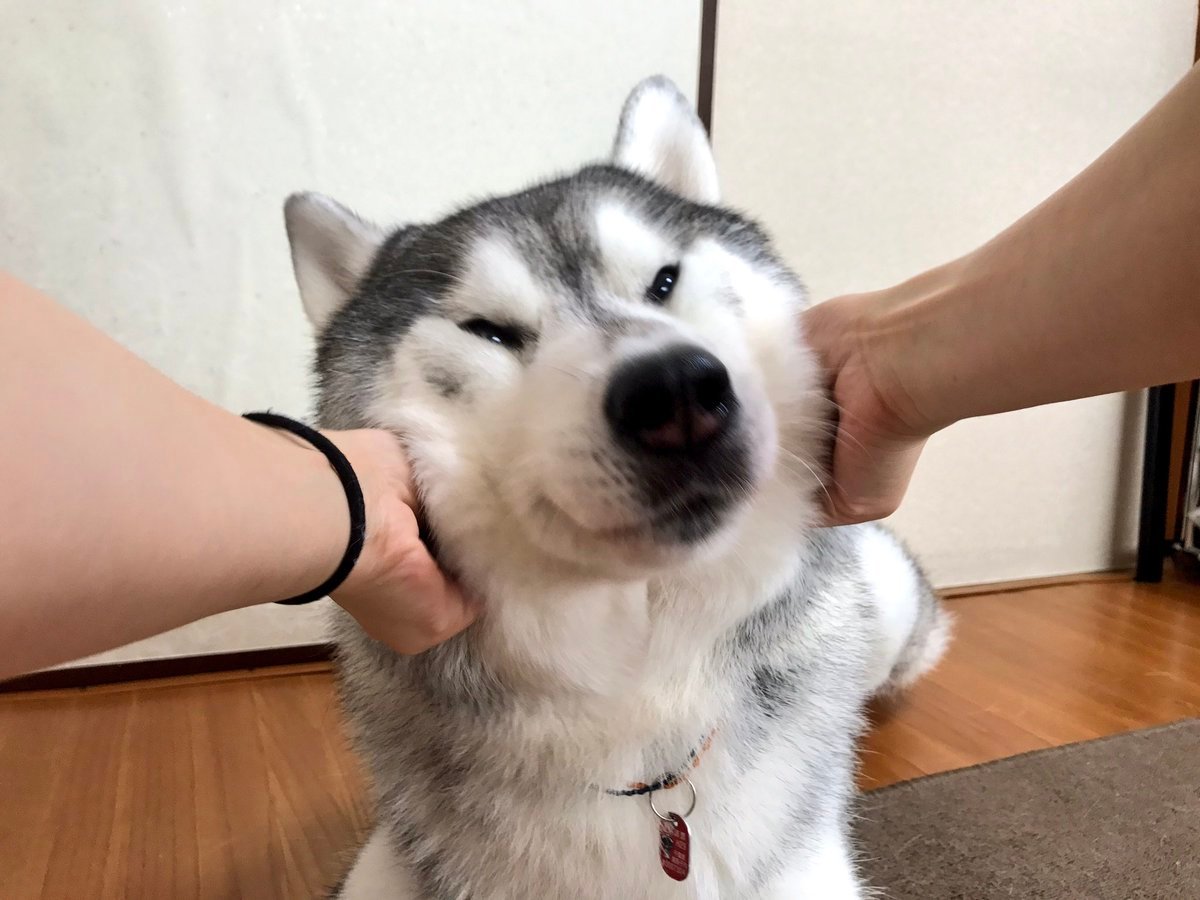
This is also a good gesture as dogs often squint and blink faster when they are enjoying themselves with you. It just loves your pats and touches. But too much of squinting can turn out as something serious. Take it to the vet. If your much older dog squints in the sun, get it checked for cataracts.
#5 Showing its Teeth
When any dog shows you its teeth, often in a mildly aggressive way, it wants you to back off. Dogs can get protective of their favorite toy or their food. Showing their teeth without snarling is a warning to you. But if your dog does that too often, visit a trainer for help.
#6 Paw Signal
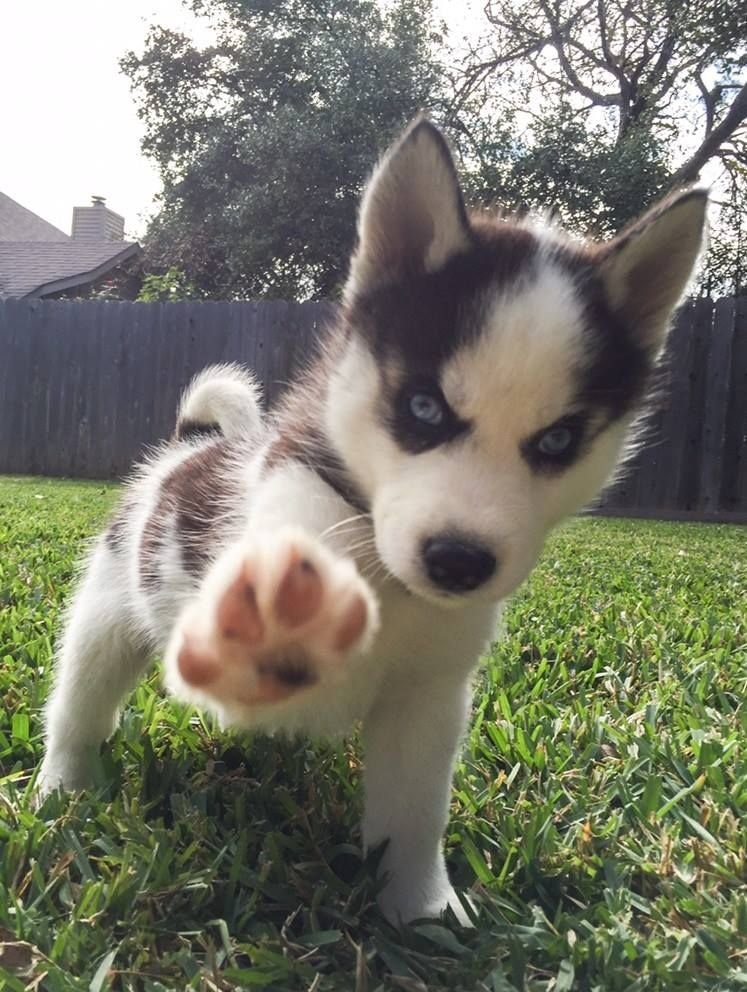
A dog does not know what a handshake is. So when it raises its paw and looks like it wants something, think about what it could need. Is it hungry or thirsty? Does it want something it can’t reach? Your dog wants to tell you, and you should listen.
#7 Tail Up High
Dogs stick their tails up when they want to assert authority. Whenever dogs feel like they should protect or attack something, they raise their tails up straight. If your dog does that with you, it is probably confused about who should take charge. Calm your dog down and keep it under control.
Dogs do this when they feel under pressure, are nervous or stressed. They do it in the blink of an eye so you could miss it. If your dog licks its face, it could also mean it is preparing itself to do something. It is a little uncomfortable but coping with it.
#9 Yawning
This is also a gesture in stressful situations for your dog. It does not necessarily mean that it is sleepy. Dogs also yawn when they are anticipating something good. Many dog owners have found that their dogs yawn when they are happy. So yawning could be a good thing too, depending on the situation.
The concept of a Siberian husky pops in mind whenever one considers adopting a dog that would suit the general needs of the family. Really, with its mild character and liveliness, Siberian huskies are suitable even for households with little children. When contemplating whether to get a Siberian husky, it is important for families to thoroughly assess if they have the time and ability to care for the dog in the first location. The truth is, Siberian huskies do need a considerable amount of care in order to ensure their good health and bodily well-being. Here are nine reasons husky are so addictive.








![Husky Puppy Eating [Food]](http://ohl.co/wp-content/uploads/2020/03/Husky-Eating-Food.jpg)